

The best hairstyles for 4B hair are low-manipulation, texture-forward looks that work with your Z-pattern coils rather than against them. Twist-outs, braid-outs, high puffs, Bantu knots, and protective styles like box braids and cornrows consistently deliver the most reliable results for this texture. The single most important care rule: keep moisture in and keep your hands out. Z-pattern coils lose water faster than looser curl types, and repeated mechanical stress at those sharp angles is where breakage begins.
Top styles at a glance:
- Twist-out
- Braid-out
- High puff
- Bantu knots / Bantu knot-out
- Box braids
- Cornrows
- Tapered / deconstructed fro
- Wash-and-go
- TWA (teeny weeny afro)
- Finger coils
- Updos
Choose a puff or wash-and-go for a quick everyday look. Reach for box braids or cornrows when you need weeks of hands-off protection. Twist-outs and braid-outs sit in the middle: moderate effort, beautiful definition, and a style that can last several days with the right sleep routine.
Key Takeaways
Low-manipulation styles, consistent moisture sealing, and protective styling rotation are the three habits that protect 4B hair health and support length retention over time.
| Point | Details |
|---|---|
| Choose low-manipulation styles | Twist-outs, braid-outs, high puffs, and Bantu knots reduce breakage and work with Z-pattern coils. |
| Seal moisture every time | Always follow a water-based leave-in with a butter or oil sealant while hair is still damp. |
| Rotate protective styles | Change part placement and style direction each install to prevent traction stress on the same follicles. |
| Sleep in satin every night | A satin bonnet or pillowcase extends style life and prevents overnight friction damage. |
| Preview before you commit | Stylemycrown's virtual try-on lets you see 528+ styles on your own photo before cutting or installing. |
Table of Contents
- The best hairstyles for 4B hair, ranked by practicality
- How to do the three most popular 4B styles at home
- Your 4B hair care routine, simplified
- How to choose a cut that works with your 4B texture
- Common 4B hair mistakes and how to fix them fast
- Why these styles work: the texture science behind 4B hair
- What 4B hair actually is, and how it differs from 4C
- Scalp care for 4B hair: what actually matters
- How long to keep protective styles in, and when to refresh
- How seasons and environment affect 4B hair
- What we've learned about 4B hair and self-expression
- See your next 4B style before you commit to it
- Sources
The best hairstyles for 4B hair, ranked by practicality
4B-friendly styles span a wider range than most people expect. The key is matching the style to your current length, schedule, and how much manipulation your hair can handle that week.
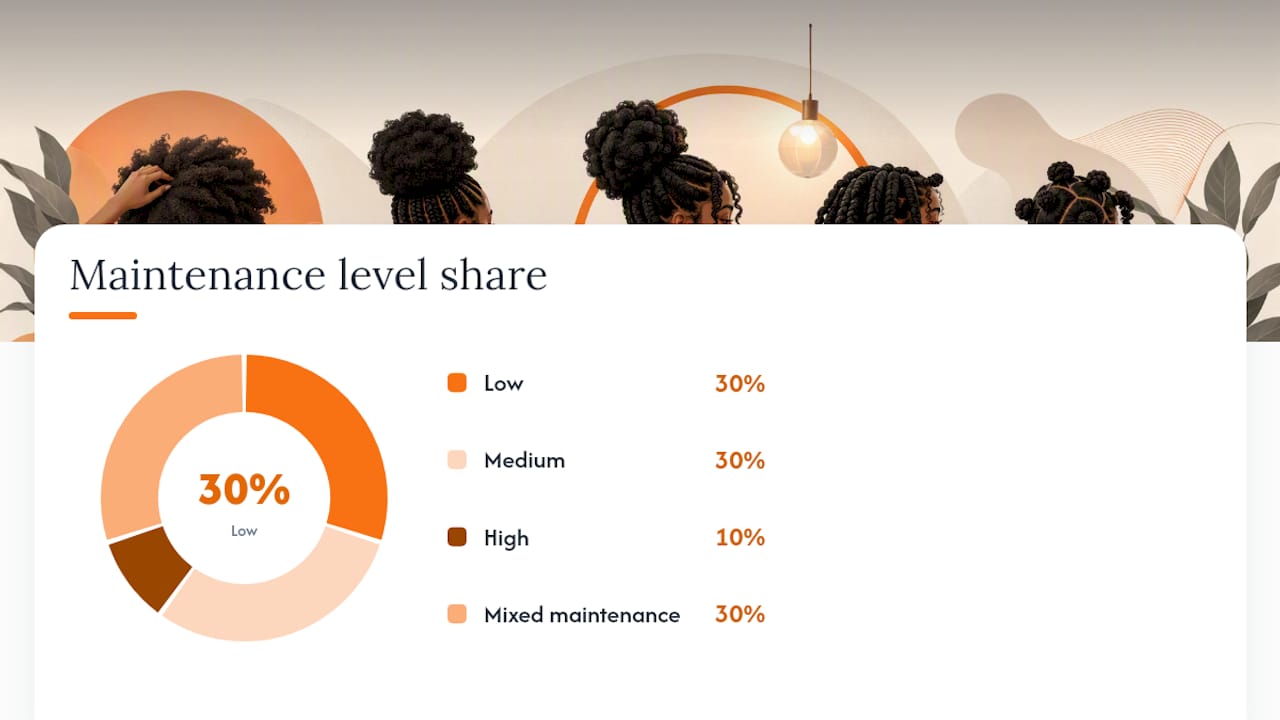
| Style | Maintenance Level | Best For | Longevity |
|---|---|---|---|
| Twist-out | Medium | All lengths | 3–5 days |
| Braid-out | Medium | All lengths | 4–6 days |
| High puff | Low | Medium to long | 1–2 days |
| Bantu knots / knot-out | Medium | Short to long | 3–5 days |
| Box braids | High (install) / Low (wear) | All lengths | 4–8 weeks |
| Cornrows | Medium (install) / Low (wear) | All lengths | 2–4 weeks |
| Wash-and-go | Low | Short to medium | 2–3 days |
| TWA / tapered fro | Low | Short | Daily refresh |
| Finger coils | High | Short to medium | 3–5 days |
| Updos | Low to medium | Medium to long | 1–3 days |
Pro Tip: Whatever style you choose, sleep in a satin bonnet or on a satin pillowcase every night. That one habit alone extends the life of almost every style on this list and prevents the overnight frizz that makes you feel like you have to start over every morning.
1. Twist-out
Two-strand twists set on damp, product-coated hair, then unraveled after drying. The Z-pattern geometry of 4B hair creates a soft, voluminous wave pattern once the twists are released. Apply a leave-in conditioner and a light cream, twist in sections no smaller than your pinky finger, and let dry fully (6–12 hours or overnight) before unraveling. Lasts 3–5 days with nightly re-twisting at the roots.
2. Braid-out
Same concept as the twist-out, but three-strand braids create a tighter, more angular definition that suits 4B's Z-pattern particularly well. The result tends to hold longer than a twist-out. Braid on stretched or damp hair, seal with a butter, and unravel gently by separating from the ends upward. Stylists favor braid-outs as a "smart product move" that defines texture without any heat.
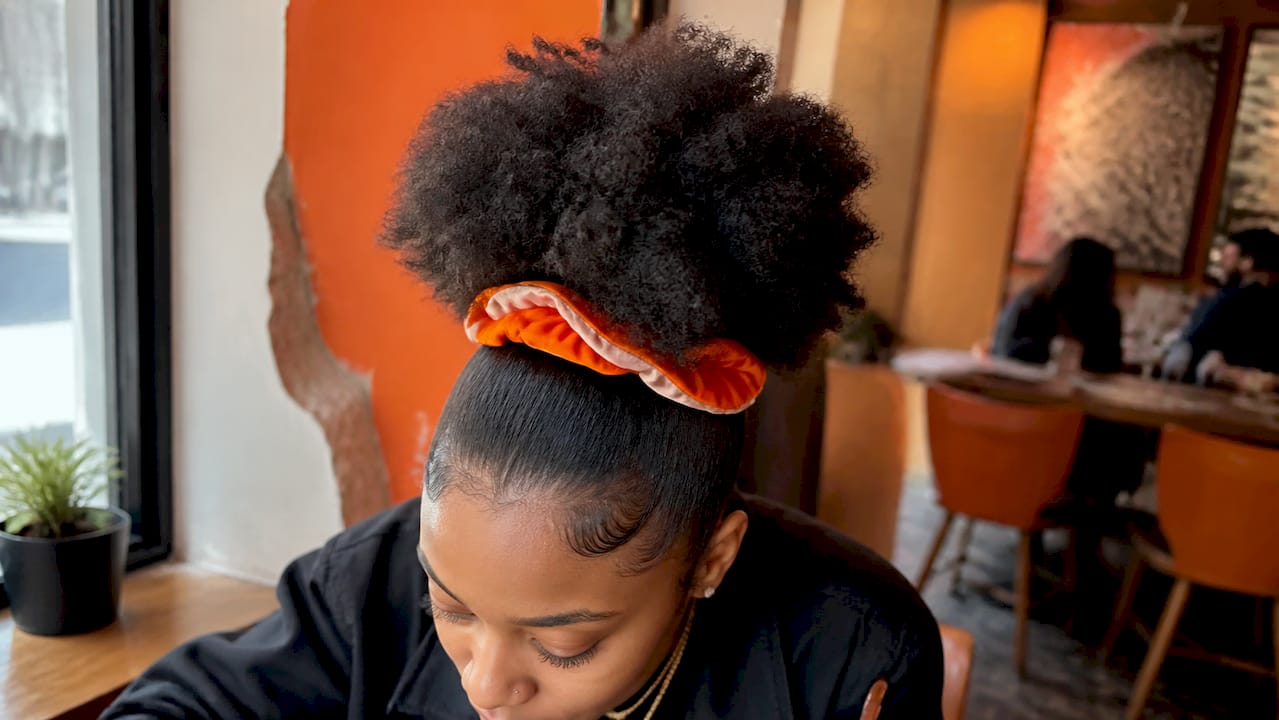
3. High puff
Pull moisturized hair into a high ponytail using a soft scrunchie or a satin-lined band. The natural volume of 4B hair does the rest. This is the fastest style on the list. Add edge control along the hairline for a polished finish. Works best on medium to long hair, but even shorter lengths can pull off a mini puff.
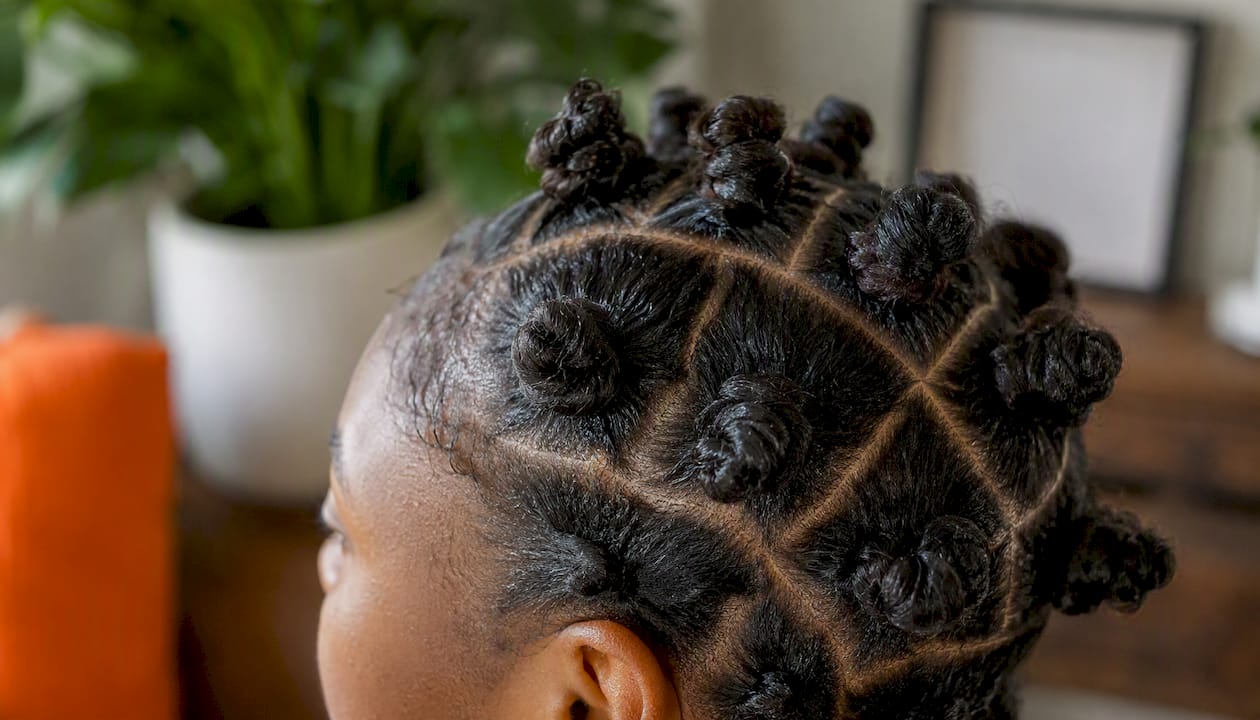
4. Bantu knots and Bantu knot-out
Coil sections of hair into tight knots pinned flat against the scalp. Wear them as-is for a sculptural, defined look, or unravel after drying for a Bantu knot-out with spiral definition. The versatility of 4B hair shows up clearly here: Bantu knots work on hair as short as 2 inches and as long as you want.
5. Box braids
A protective style that tucks your ends away for weeks, using the lightweight and low-tension installation of Butterfly Weft Extensions. Install time is high (4–8 hours depending on length and size), but daily maintenance drops to almost nothing. Keep your scalp moisturized with a lightweight oil, and avoid braids that pull tightly at the root. Rotate the part placement each install to prevent traction stress.
6. Cornrows
Flat braids worked close to the scalp in any pattern. Cornrows protect your length while giving you a clean, graphic look. They last 2–4 weeks with proper scalp care. The key for 4B hair: ask your braider to keep the tension firm but not tight. Overly tight cornrows are one of the leading causes of traction-related thinning along the hairline.
7. Wash-and-go
Apply a gel or curl cream to soaking-wet hair, section by section, and let your natural coil pattern do the work. 4B wash-and-gos tend to be more compact and shrunk than looser textures, but the result is a full, defined look with zero heat. Embracing shrinkage as a sign of healthy elasticity rather than a problem is the mindset shift that makes wash-and-gos satisfying.
8. TWA (teeny weeny afro)
Short TWA styles are among the most accessible options for 4B hair, especially for people transitioning or starting fresh. A TWA requires minimal product, dries fast, and can be shaped with a pick or fingers for volume. It's also a practical starting point for growing length, since keeping hair short reduces the weight and manipulation that cause breakage.
9. Finger coils
Define individual coils by twirling small sections around your finger, working on soaking-wet hair with a gel or defining cream. Labor-intensive to set, but the payoff is striking definition that lasts 3–5 days. Works best on shorter to medium lengths where the coils have enough weight to hold their shape.
10. Updos and buns
Gathered styles that protect your ends while keeping hair off your neck. A loose bun, a twisted updo, or a gathered pineapple all count. Use a satin scrunchie, never a rubber band, and avoid stacking the same tension point day after day. Rotating where you place the bun prevents stress fractures along the same section of hair.
11. Tapered and deconstructed fro
A shaped cut that's shorter at the sides and back, with more length and volume on top. The tapered fro is one of the few styles that requires a stylist visit to set up, but once the shape is there, daily maintenance is minimal. The deconstructed version skips the tight taper for a more organic, rounded silhouette. Both work beautifully with 4B's natural volume.
How to do the three most popular 4B styles at home
Twist-out: step by step
- Start on freshly washed, damp hair. Divide into 4 sections with clips.
- Work one section at a time. Apply a leave-in conditioner from roots to ends, then a light cream or butter on top.
- Split each section into two strands and twist them around each other, working downward. Keep tension consistent but gentle.
- Let twists dry completely. Overnight is ideal; 6 hours minimum. Rushing this step is the most common reason twist-outs frizz.
- Unravel by holding the base of each twist and gently pulling the ends apart. Separate with your fingers, not a comb.
- Fluff from the roots using a pick or your fingertips.
A well-set twist-out on 4B hair lasts 3–5 days. Re-twist the front sections at night and re-pineapple the rest to extend wear.
Pro Tip: Add a small amount of gel on top of your cream before twisting. The gel layer locks in the cream's moisture and gives the unraveled twist more hold and definition without crunch.
Braid-out: step by step
- Apply leave-in and a sealing butter to damp, detangled hair.
- Divide into sections. Braid each section in a three-strand braid, working from root to tip.
- Dry fully (overnight is best). The longer the dry time, the longer the braid-out holds.
- Unravel by separating each braid from the tip upward, using your fingers.
- Separate gently to add volume. Stop before the style looks frizzy.
Braid-outs typically last 4–6 days on 4B hair, one to two days longer than a twist-out, because the tighter braid pattern sets a more defined wave.
High puff: step by step
- Moisturize hair with a leave-in or water-based refresher spray.
- Smooth edges with an edge control product and a soft brush.
- Gather hair at the crown using a satin-lined scrunchie or a soft elastic band.
- Adjust the height and fullness by pulling sections outward from the base.
- Smooth any flyaways with a light oil or edge control.
Pro Tip: For a fuller puff, stretch your hair slightly before gathering it. Banding (wrapping a soft elastic loosely around the length of your hair for 30–60 minutes while it dries) adds volume without heat.
Your 4B hair care routine, simplified
Healthy 4B hair starts with a consistent routine. The Z-pattern coil structure means moisture escapes quickly, so every step in your routine should either add moisture, lock it in, or protect it from friction.
Daily habits:
- Morning: Refresh with a light water-based mist or leave-in spray. Seal with a small amount of oil or butter. Never skip the seal step.
- Night: Pineapple your hair (gather loosely at the crown with a satin scrunchie) or use a satin bonnet. A satin pillowcase is the backup if you lose the bonnet overnight.
- Avoid tight ponytails or buns on the same spot two days in a row.
Wash-day steps:
- Pre-poo with a light oil or conditioner before shampooing to reduce friction during washing.
- Use a sulfate-free shampoo or co-wash (conditioner wash) to cleanse without stripping moisture.
- Detangle while hair is dripping wet using a high-slip conditioner, starting from the ends and working toward the roots. This single step reduces mechanical breakage more than any other technique.
- Deep condition for 20–30 minutes. Add a plastic cap and gentle heat (a hooded dryer or steamer) to improve penetration, especially for low-porosity hair.
- Rinse, apply leave-in, then seal with a butter or oil while hair is still damp.
Product categories that work for 4B hair:
- Leave-in conditioners: water-based, lightweight, applied first to damp hair.
- Creams: for hold and definition in twist-outs and braid-outs.
- Gels: for wash-and-gos and sleek edges; look for alcohol-free formulas.
- Butters and oils: for sealing moisture in after water-based products. Shea butter, mango butter, and jojoba oil are common choices.
Frequency guidelines:
- Wash: every 1–2 weeks, depending on scalp activity and product buildup.
- Deep condition: every wash day.
- Protective styles: rotate every 4–8 weeks; never leave box braids or cornrows in beyond 8 weeks.
- Heat: occasional only. When you do use heat, one pass at moderate temperature with a heat protectant is the standard. Threading or banding is a safer stretch method for everyday use.
How to choose a cut that works with your 4B texture
The right cut does not fight your hair's natural volume. It shapes it.
Rounded vs. tapered vs. layered:
A rounded cut keeps length consistent all around, creating a full, symmetrical afro shape. It suits 4B hair well because the uniform length lets the natural volume build evenly. A tapered cut is shorter at the sides and nape, with more length on top. It controls volume at the perimeter while letting the crown expand. A layered cut removes weight from the interior, which can reduce bulk and help longer 4B hair fall with more movement.
| Cut Type | Volume Effect | Best Face Shapes | Maintenance |
|---|---|---|---|
| Rounded | Full, even volume | Oval, heart, diamond | Low |
| Tapered | Controlled sides, full crown | Round, square | Medium |
| Layered | Reduced bulk, more movement | Oval, oblong | Medium to high |
Face-shape guidance: A rounded cut flatters oval and heart-shaped faces. Tapered styles add height and work well for rounder face shapes. Layered cuts suit longer face shapes by adding width at the sides.
What to say to your stylist:
Bring a reference photo. Always. Then use specific language: "Z-pattern aware shaping cut," "deconstructed fro shape," or "taper with length on top." Ask them to cut your hair in its natural state, not stretched, so they can see how the shrinkage affects the final shape. Stylists who work with Z-pattern geometry understand that 4B hair needs to be shaped around its coil structure, not against it.
Pro Tip: Search for reference photos of people with 4B or 4C hair specifically, not looser curl types. A cut that looks great on 3C hair will behave completely differently on your Z-pattern coils. The shrinkage factor alone changes everything.
Common 4B hair mistakes and how to fix them fast
Heat overuse. Flat-ironing 4B hair repeatedly at high temperatures causes heat damage that is not reversible. The coil pattern straightens permanently in damaged sections. Fix: limit heat to occasional use, one pass at moderate temperature, always with a heat protectant. Threading or banding stretches hair without any heat at all.
Aggressive detangling. Combing dry 4B hair, or starting from the roots, snaps strands at the weakest points: the sharp Z-pattern angles. Fix: detangle only on wet hair with a high-slip conditioner, fingers first, then a wide-tooth comb, always starting from the ends.
Too-tight protective styles. Braids or cornrows installed with excessive tension cause traction alopecia over time, particularly along the hairline and temples. Fix: if a style hurts immediately after installation, it's too tight. Ask your braider to redo it. Rotating protective styles and varying the part placement each time prevents repeated stress on the same follicles.
Product overload. Layering too many heavy products causes buildup, weighs down coils, and blocks moisture from reaching the strand. Fix: stick to a simple routine: leave-in, cream or gel, sealant. Clarify with a sulfate-free shampoo every 2–4 weeks to remove buildup.
Skipping the sealant. Water-based products add moisture; without a sealant, that moisture evaporates within hours on 4B hair. Fix: always follow a leave-in or cream with a butter or oil while hair is still damp.
Ignoring shrinkage expectations. Expecting 4B hair to look like it does when stretched is a setup for frustration. Fix: design your style around the shrunk length, not the stretched length.
Red flag: If you notice consistent thinning at the hairline, scalp tenderness, or patches of reduced density, those are signs of traction stress or scalp trauma. Consult a licensed cosmetologist or dermatologist before continuing with tight styles.
Why these styles work: the texture science behind 4B hair
4B hair is structurally weakest at the sharp bends of its Z-pattern. Each angle is a point of reduced tensile strength, which is why repeated mechanical stress at those bends, whether from combing, tight styling, or heat, causes breakage over time. This is not a flaw. It's geometry. And once you understand it, every styling decision becomes clearer.
The research-backed detangling recommendation is consistent across professional sources: detangle while hair is dripping wet, with a high-slip conditioner, starting from the ends and working toward the roots. This approach reduces the mechanical force applied at each Z-bend and dramatically cuts breakage compared with dry detangling.
For low-porosity 4B hair, mid-week steam hydration sessions can outperform daily spritzing. Steam temporarily increases cuticle permeability, which means products actually absorb rather than sitting on top of the strand.
Pro Tip: When you do use heat, one pass at moderate temperature is the professional standard. Multiple passes at high heat cause cumulative damage that compounds with each session. A quality heat protectant applied to every section before the iron touches your hair is non-negotiable.
What 4B hair actually is, and how it differs from 4C
4B hair has tight, Z-shaped coil patterns with sharp angles that produce significant shrinkage and a wiry feel. The coils do not form a defined curl or spiral; instead, they bend at sharp angles, creating a dense, full texture that holds volume naturally.
4C hair shares the same Z-pattern family but has even tighter coils with less visible definition. Where 4B hair often shows some coil pattern when wet or product-coated, 4C hair tends to clump less and shrink more. The practical difference: 4C hair may require slightly more product and more intentional clumping techniques to achieve defined styles like wash-and-gos. Many of the hairstyles for 4B hair work equally well for 4C natural hairstyles, including twist-outs, braid-outs, and protective styles.
Both textures share the same core challenge: high porosity variation, significant shrinkage, and a structural geometry that makes moisture retention harder than it is for looser curl types. The styling principles are the same. The product amounts and technique intensity may differ slightly.
Scalp care for 4B hair: what actually matters
Your scalp is the foundation. No style holds up on an unhealthy scalp, and 4B hair's density makes it easy to neglect what's underneath.
Wash your scalp, not just your hair. Use your fingertips (never your nails) to massage the scalp during washing. This removes buildup and stimulates circulation without scratching the skin.
Keep the scalp moisturized between washes with a lightweight scalp oil. Heavier products like thick butters can clog follicles when applied directly to the scalp; save those for the strands. Jojoba oil and tea tree oil diluted in a carrier are common choices for scalp application.
Protective styles require active scalp care. When your hair is in box braids or cornrows, apply a diluted oil or scalp spray directly to the parts every 3–4 days. Neglecting the scalp during protective style wear is one of the most common causes of dryness, itching, and post-style breakage.
Watch for buildup. Product residue, dry skin, and environmental debris accumulate at the scalp faster when hair is dense and tightly coiled. A clarifying wash every 2–4 weeks prevents the kind of buildup that blocks follicles and causes scalp irritation.
How long to keep protective styles in, and when to refresh
The general guideline for box braids and cornrows is 4–8 weeks maximum. Beyond 8 weeks, new growth at the root becomes tangled with the installed style, and removal becomes significantly more damaging. The sweet spot for most people is 6 weeks: enough time to get real protective benefit, not so long that removal becomes a detangling emergency.
Refresh the style before it needs it, not after. Signs that a protective style needs attention: visible new growth that's matting at the root, scalp itching that doesn't resolve with a scalp spray, or edges that look stressed or thin. Addressing these early prevents the kind of damage that sets back length retention.
For twist-outs and braid-outs, refresh individual sections rather than redoing the entire style. Re-twist or re-braid the sections that have lost definition, usually the front and crown, and leave the rest intact. This extends wear by 2–3 days without full manipulation.
Rotate your protective styles. Wearing cornrows in the same direction with the same part placement every install concentrates tension on the same follicles repeatedly. Varying the pattern, direction, and part placement distributes stress and protects the hairline.
How seasons and environment affect 4B hair
4B hair responds to its environment more than most people realize. Humidity, cold, and dry indoor air all change how your hair behaves, and your routine needs to shift with them.
Humid climates and summer: High humidity can cause 4B hair to swell and frizz, especially in styles like twist-outs. A gel layer on top of your cream acts as a humidity barrier. Anti-humidity sealants applied as a final step help hold definition longer in wet weather.
Cold and dry winters: Cold air strips moisture faster, and indoor heating makes it worse. Switch to heavier sealants (shea butter, castor oil blends) in winter. Deep condition more frequently, every wash day without exception, and consider adding a mid-week steam session if your hair feels brittle.
Dry climates: Low-humidity environments pull moisture from the hair strand constantly. The LOC method (liquid, oil, cream) applied in that order helps layer moisture and seal it in more effectively than a single product alone.
Protective styling seasonally: Many people with 4B hair choose to wear protective styles more frequently in winter to minimize exposure to cold, dry air. This is a sound strategy, but it requires more consistent scalp care during the protective style period, since the scalp still needs moisture even when the hair is tucked away.
What we've learned about 4B hair and self-expression
We've spent a lot of time thinking about what it means to style 4B hair in a world that still doesn't always have the right tools, references, or vocabulary for it. The texture is not difficult. It's specific. And specificity deserves specific solutions.
What we see consistently is that people with 4B hair do best when they stop trying to replicate styles designed for looser textures and start working with what their coils actually do. The shrinkage is not the enemy. The Z-pattern is not a problem to solve. These are the features that make 4B hair hold a twist-out for days, build a puff with real volume, and take a Bantu knot-out from flat to full in a single unravel.
Patience matters here, especially in the early stages of building a routine. Your hair will not respond the same way every wash day. Humidity changes, product buildup, and even stress affect how your coils behave. That's not failure. That's texture. The goal is a routine flexible enough to meet your hair where it is, not rigid enough to frustrate you when conditions shift.
See your next 4B style before you commit to it
Choosing a new hairstyle for 4B hair is a real decision. A cut grows out slowly. Extensions take hours to install. Committing to a look you haven't seen on yourself is a gamble most of us would rather skip.
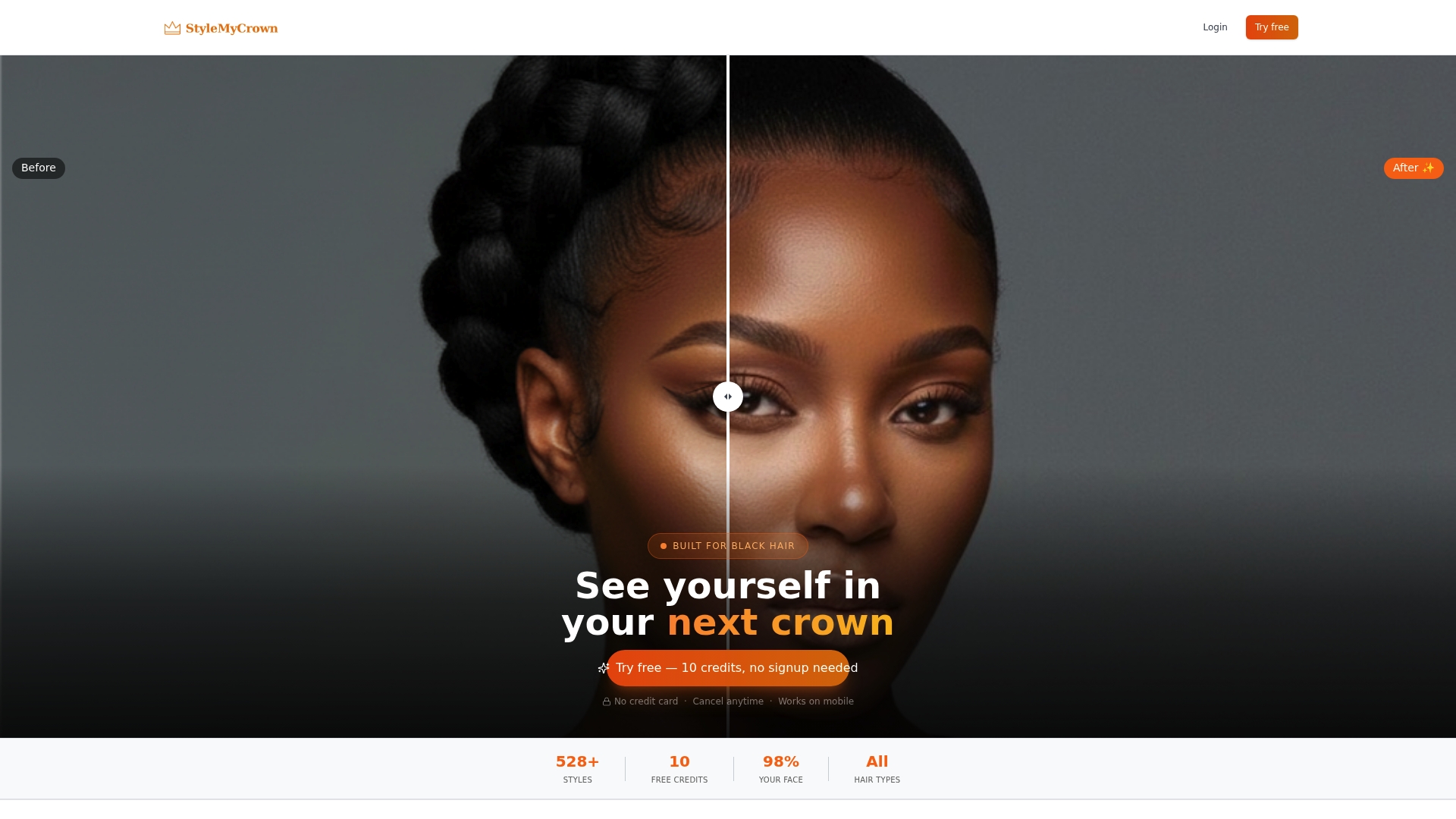
Stylemycrown is a virtual try-on platform built specifically for Black hair, with a catalog of over 528 styles curated for diverse textures including 4B and 4C coils. You upload a photo, browse the style catalog, and see how a look actually sits on your face and features before you book an appointment or buy extensions. The platform starts with 10 complimentary credits so you can test multiple looks without any cost.
This is a visual preview tool, not a substitute for an in-salon consultation. Results vary based on photo quality and lighting. Use it for inspiration and planning, then bring your favorite previews to your stylist as reference photos.
Start your free trial at Stylemycrown and see your next style before you commit.
Sources
These sources informed the guidance throughout this article and are worth bookmarking for deeper reference.
- 4B Hair Hairstyles & Styling Ideas: Low-Damage Looks | Hair Types
- 21 4B Hairstyles to Try | Byrdie
- 13 Stunning 4B Hairstyles That Show Off Your Natural Texture | Unruly
- 25 Trendy 4b Hairstyles to Rock Your Natural Coils – Hairstyles for Haircuts