
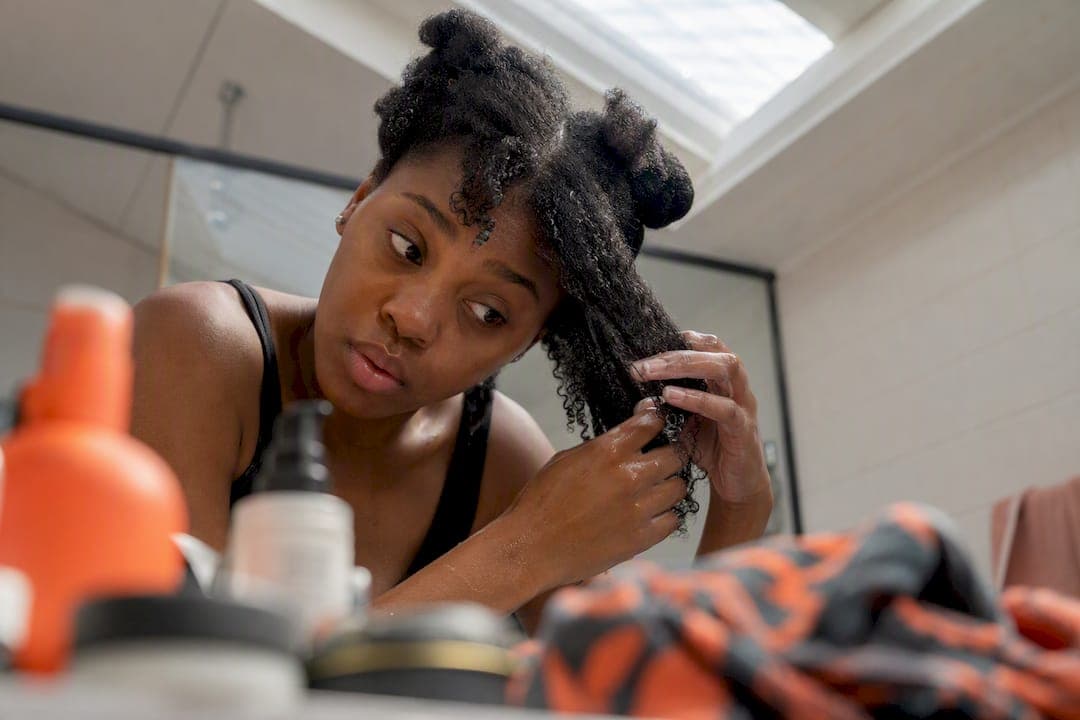
Yes, a wash-and-go can work on 4C hair when you prioritize moisture, intentional sectioning, and the right product layering. Done correctly, it delivers low manipulation, visible curl definition, and moisture retention that protective styles sometimes trap away from your strands. But it also comes with trade-offs you should walk in knowing.
Here's what to expect before you start:
- Significant shrinkage is normal. Your 4C coils may pull up to a fraction of their stretched length once dry.
- Time investment is real. Many 4C wash-and-gos are closer to a "work n' go" than a five-minute routine.
- Lifespan runs short. Most people get a few days before a refresh or full redo is needed.
Key Takeaways
A 4C wash-and-go succeeds when you combine proper deep conditioning, careful product layering, and realistic expectations about shrinkage and lifespan.
| Point | Details |
|---|---|
| Deep condition adequately | Use 20 to 30 minutes with heat or 45 to 60 minutes without to restore elasticity before styling. |
| Layer products in order | Follow leave-in, cream, then strong-hold gel, skipping heavy butters that weigh down coils. |
| Test your water level | Try both soaking wet and damp application to find which gives your texture better clumping. |
| Protect the style overnight | Pineapple or wrap hair in satin to prevent matting and extend definition. |
| Preview before you commit | Stylemycrown's virtual try-on lets you check shrinkage versus stretched silhouettes across 528 styles before a long styling session. |
Table of Contents
- Step-by-Step Wash and Go 4C Hair Routine
- How Do You Get Defined Curls With Product Layering?
- Should You Air Dry, Diffuse, or Use a Hooded Dryer?
- How Do You Maintain and Refresh a 4C Wash-and-Go?
- Fixing Frizz, Limp Coils, and Matting
- Why Shingling and Water Level Actually Matter for 4C Hair
- A Quick Word on Patience and Experimentation
- Preview Your Wash-and-Go Silhouette Before You Commit an Hour to Shingling
- Frequently Asked Questions
- Sources
Step-by-Step Wash and Go 4C Hair Routine
Wash day success starts before you touch shampoo. Skipping steps here is the single biggest reason 4C wash-and-gos frizz out by hour two.
- Pre-poo first. Apply a lightweight oil (grapeseed, jojoba) or a conditioner-based pre-poo to dry hair before you cleanse. This coats the cuticle and makes tangles slide apart instead of locking together in the shower.
- Cleanse with intention. If you've got product buildup or silicone residue, reach for a clarifying shampoo. If your scalp and strands feel dry and stripped, a moisturizing, sulfate-light formula works better. Base the choice on your hair's actual condition, not habit.
- Deep condition properly. Ogle School recommends 20 to 30 minutes under heat, or 45 to 60 minutes without it, to restore the elasticity 4C strands need before styling. Look for glycerin and other humectants for moisture, plus emollients for slip, and add a protein treatment occasionally if your hair feels mushy or overly elastic when wet.
- Detangle before you style, not during. Finger-detangle first to break up major knots, then follow with a wide-tooth comb, working from ends to roots in small sections.
- Decide your water level. Testing soaking wet versus merely damp application is worth doing since some 4C textures clump tighter and define better with less water weighing the coil down.
Pro Tip: Keep a spray bottle of water nearby during detangling. Re-wetting a section that's drying out mid-comb prevents breakage far better than forcing a comb through dry, resistant strands.
How Do You Get Defined Curls With Product Layering?
Definition on 4C hair comes down to what you layer, in what order, and how much you use. The L.O.C. method (liquid, oil, cream) or L.C.O. (liquid, cream, oil) both work as a framework; which one you choose depends on whether your hair prefers oil sealing in moisture before or after the cream.
- Leave-in conditioner is your liquid layer. Look for aloe vera juice, glycerin, or panthenol near the top of the ingredient list. This is what gives your hands slip during detangling and styling.
- Styling cream builds softness and encourages clumping. Skip heavy butters like raw shea at this stage. They feel great on skin but tend to sit on 4C strands and weigh coils into limp, greasy sections instead of springy curls.
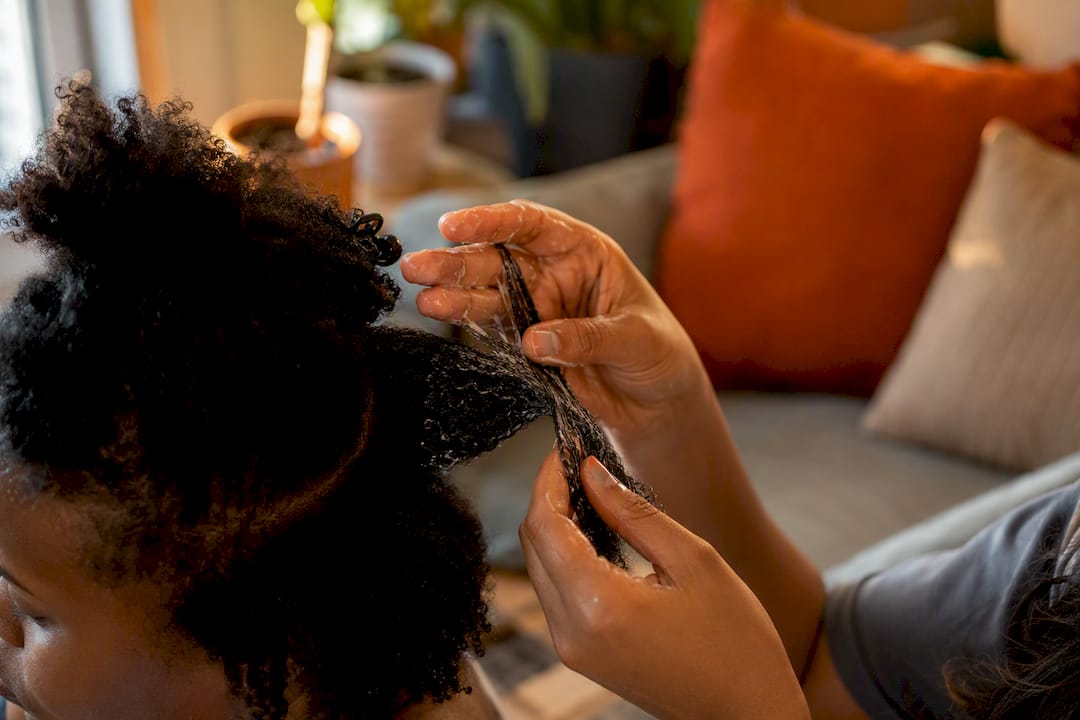
- Strong-hold gel forms the cast that locks your curl pattern in place while it dries. Apply it in small sections and smooth it evenly rather than piling it on, or you'll end up with a crunchy cast that flakes when you scrunch it out.
Techniques for tightly coiled hair emphasize this exact layering order, and shingling, applying product to small individual sections rather than raking through the whole head, is often what separates defined 4C wash-and-gos from frizzy ones.
Pro Tip: Rake and shake each section as you apply gel. Rake to distribute product evenly, then shake the section gently to encourage clumping instead of one flat mass of curl.
Should You Air Dry, Diffuse, or Use a Hooded Dryer?
Your drying method shapes the final look as much as your products do.
- Air-drying is the gentlest option and produces the least frizz, but it's slow, sometimes taking several hours depending on your hair's density and the humidity in the room.
- Diffusing on low heat and low speed speeds up the process and can add volume when you cup sections and lift at the roots, without disturbing the curl cast the way high heat or brushing would.
- Hooded dryers dry hair efficiently and are especially useful after a long shingling session, since they dry the whole head evenly rather than leaving some sections wet while others finish first.
If you want more stretch, clip small sections at the roots while drying or apply gentle tension by hand. Just avoid excessive touching.
How Do You Maintain and Refresh a 4C Wash-and-Go?
Protecting your style overnight matters as much as how you styled it that morning.
- Pineapple your hair (a loose, high ponytail) or wrap it in a satin bonnet or scarf before bed to prevent friction and matting.
- On day two or three, refresh with a water-based spritz and reapply small amounts of leave-in or gel only to the sections that look dull or frizzy, not the whole head.
- Most 4C wash-and-gos hold up for about three days before needing attention. Exercise, humidity, and product buildup all shorten that window.
- If more than half your head has lost definition or feels matted, it's faster to redo the wash-and-go than to keep patching it.
Fixing Frizz, Limp Coils, and Matting
Frizz almost always comes from touching your hair before it's fully dry, or from incomplete drying that leaves moisture trapped under a half-set cast. The fix is targeted reapplication to the frizzy section, not fluffing your whole head before it's dry.
Limp coils usually mean too much cream or not enough gel to form a real cast. Revive them by lightly re-wetting the section and restyling just that area.
Matting and tangling call for large, gentle twists as a stopgap, or a slow conditioner-assisted detangle rather than forcing a comb through. Night protection prevents most of this before it starts.

Why Shingling and Water Level Actually Matter for 4C Hair
Cosmetologists and stylists increasingly push back on the myth that wash-and-go only works on looser curl patterns. The style works across coil types, including 4C, when technique adapts to the hair's density rather than treating every texture the same way.
Shrinkage on 4C hair isn't a styling failure. It's a normal, healthy response of tightly coiled strands drying and contracting, and it happens whether you wash-and-go or not.
Full shingling across a dense 4C head often takes 45 to 90 minutes or more, and that's the trade-off for lasting definition. Before committing to a long session, it helps to see how a style will actually sit once shrinkage sets in. Stylemycrown's augmented reality try-on lets you preview curated looks across more than 528 styles, so you can gauge elongated versus shrunken silhouettes before you spend an hour at the sink.
A Quick Word on Patience and Experimentation
Wash day can feel like an emotional tug-of-war between wanting quick results and knowing good definition takes time. Give yourself permission to experiment with water level, product amounts, and drying method. What works on someone else's 4C hair may not work on yours, and that's fine.
Preview Your Wash-and-Go Silhouette Before You Commit an Hour to Shingling
A full shingling session on dense 4C hair is a real time commitment, and there's no way to know how a style will actually sit on your face and shoulders until it's dry. That's the gap Stylemycrown was built to close. Instead of guessing whether a shrunken wash-and-go or a stretched-out version suits you better, you can preview both on your own photo first.

Stylemycrown's augmented reality tool lets you try on more than 528 curated styles, including looks built for coily and tightly coiled textures, risk-free. Every new account starts with 10 complimentary credits, so you can test a handful of silhouettes without spending a dime before you decide what's worth an hour at the sink. Browse the Style Catalog for 4C-friendly wash-and-go looks, and if you want inspiration from real stylists, the Stylist Catalog is worth a look too. This won't do the shingling for you, but it will tell you whether the shrinkage or the stretch is the look you actually want before you commit the time.
Frequently Asked Questions
Is a wash-and-go actually suitable for 4C hair? Yes. Experts confirm the style works across coily hair types, including 4C, when technique, particularly water level and shingling, is adapted to the hair's density.
How long does a 4C wash-and-go typically last? About three days is common before a refresh or redo is needed, though exercise, humidity, and product buildup can shorten that window.
Why does shingling take so long on 4C hair? Applying product section by section rather than raking through the whole head is often what creates lasting definition on tightly coiled strands, and that precision takes time, sometimes 45 to 90 minutes or more for a full head.
Should I style my 4C hair soaking wet or just damp? Both are worth testing. Some 4C textures clump and define better with less water weighing the coil down, so try each on separate wash days to see what your hair prefers.
What causes limp, undefined curls after a wash-and-go? Usually too much cream and not enough gel to form a proper cast. Revive limp sections by lightly re-wetting and restyling just that area rather than redoing the whole head.
Sources
- The Ultimate Wash N' Go Guide For 4C Hair This Spring - Essence
- Achieve & Maintain a 5-Day Wash and Go on 4C Natural Hair - Ogle School (blog)
- Wash and Go's On Type 4b/4c Hair-- Are They Worth It? - CurlyNikki
- How To Make Wash-and-Go Styles Work on Tightly Coiled Hair - Black Beauty Basics